
Classical Feng Shui centers on harmonizing energy flow, or Qi, within living and workspaces to enhance well-being and balance Yap Feng Shui Malaysia. It emphasizes free, unobstructed movement of energy through thoughtful spatial arrangement, natural light, and airflow. Incorporating the Five Elements—Wood, Fire, Earth, Metal, and Water—supports vigor and focus. Practical adjustments like decluttering and strategic furniture placement promote clarity and comfort. Exploring these principles further reveals deeper insights for creating spaces that nurture health and harmony.
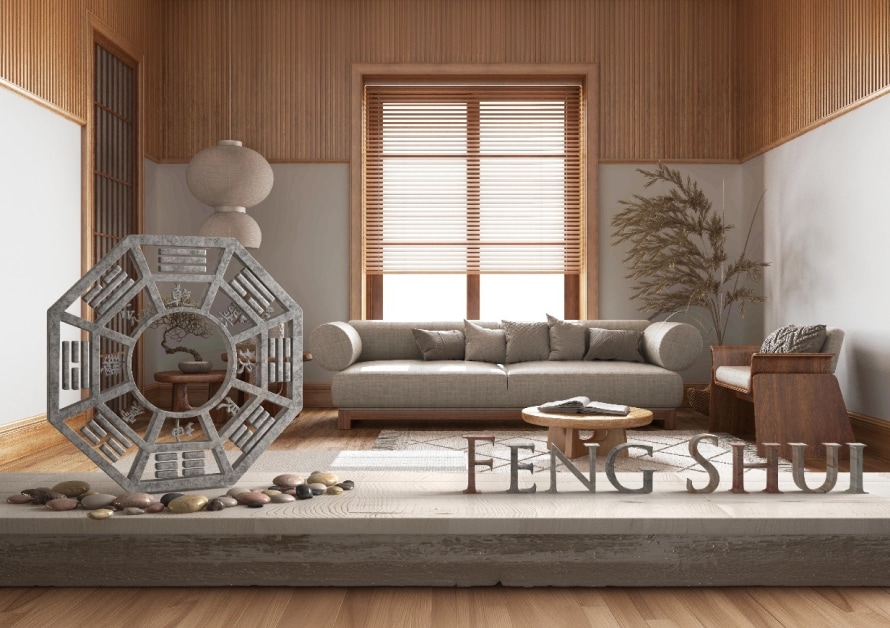
Understanding Energy and Balance in Classical Feng Shui
At the core of classical Feng Shui lies the principle that energy, or Qi, flows through the environment and influences well-being and harmony. This energy must move freely and unobstructed to foster balance within a space https://yapfengshui.my/, promoting clarity, health, and freedom in daily life.
Classical Feng Shui emphasizes the importance of spatial arrangement, orientation, and the natural flow of Qi, avoiding stagnation or turbulence. Attention to doorways, pathways, and the relationship between interior and exterior environments guarantees energy circulates optimally.
Using Feng Shui’s Five Elements in Your Space
Rooted in ancient philosophy, Feng Shui’s Five Elements—Wood, Fire, Earth, Metal, and Water—serve as fundamental forces that shape the energy within a space. Each element represents distinct qualities: Wood fosters growth and liveliness; Fire stimulates passion and transformation; Earth provides stability and nourishment; Metal encourages clarity and precision; Water promotes flow and adaptability.
Integrating these elements thoughtfully enhances balance and supports well-being. For example, incorporating wooden furniture or plants energizes creativity, while metal accents can sharpen focus. Water features invite calm and flexibility, and earthen tones ground the environment.
Balancing these elements according to the space’s purpose allows occupants to experience harmony without constraint, aligning with personal freedom and dynamic living. Awareness of elemental interplay is essential for intentional, empowered design.
Arranging Your Home for Feng Shui Harmony and Flow
How can the arrangement of furniture and objects influence the flow of energy within a home? Classical Feng Shui emphasizes spatial harmony to facilitate smooth qi circulation, which supports well-being and freedom.
Key principles include positioning furniture to avoid blocking entrances and pathways, enabling energy to move unobstructed. Placing seating with a clear view of doors enhances security and control, fostering psychological ease.
Decluttering is essential, as stagnant energy accumulates around excess items, impeding flow. Incorporating balanced placement of objects tied to the Five Elements strengthens connection and liveliness throughout living spaces.
Thoughtful arrangement respects natural light and airflow, encouraging openness and renewal. Through intentional design, a home becomes a sanctuary where energy flows freely, empowering inhabitants to live with clarity and unrestricted potential.

Applying Feng Shui to Create a Balanced Workspace
The principles of Feng Shui that enhance harmony and energy flow in the home naturally extend to work environments, where focus and productivity are paramount.
A balanced workspace is achieved by positioning the desk to face the main door without being directly aligned, fostering a sense of control and openness.
Clear organization and minimal clutter allow energy to circulate freely, reducing distractions.
Incorporating natural elements like plants and natural light supports vigor and creativity.
Colors should be chosen to promote calm and motivation, such as soft blues or greens.
Attention to ergonomics guarantees comfort, aligning physical well-being with energetic balance.
Common Feng Shui Mistakes and How to Fix Them
When working through Feng Shui practices, common missteps can inadvertently disrupt energy flow and diminish the intended harmony within a space. Recognizing and correcting these errors is essential for maintaining balance and freedom in one’s environment.
Typical issues include clutter accumulation, improper furniture placement, neglecting natural light, and ignoring the entrance’s significance. Addressing these involves:
- Regular decluttering to guarantee unobstructed Qi circulation.
- Positioning furniture to face the door or windows, fostering openness.
- Maximizing natural light to invigorate spaces and support vitality.
- Keeping entryways clear and welcoming to invite positive energy.
Conclusion
Classical Feng Shui offers timeless principles that enhance energy flow and balance within modern living spaces. By thoughtfully integrating the Five Elements and arranging environments with intention, individuals can cultivate harmony and well-being. Applying these concepts to both home and workspace fosters productivity and tranquility. Awareness of common mistakes and their remedies guarantees Feng Shui’s effectiveness, making it a practical, authoritative approach to creating spaces that support health, success, and positive energy in contemporary life.


